A gas cooktop burner that will not light on a Monogram can come down to power, gas supply or cleanliness before an ignition fault. Check that the unit has power and the gas is on, make sure the burner parts are dry and seated correctly, and do not keep trying if you smell gas. If clicking continues with no flame, service is next.
A useful troubleshooting process starts with the symptom you can observe, not with a parts list. Monogram appliances are often built into finished kitchens, so both the appliance platform and the installation can influence what you see.
Find the full Monogram model number before using a troubleshooting article as a repair decision. Similar-looking appliances can use different sensors, boards, valves, fan systems, heating systems, or diagnostic logic.
Write down:
Repeated resets can make intermittent problems harder to diagnose, so preserve the evidence first.
On a Monogram cooktop, the visible symptom can involve more than one system. Depending on the exact model, diagnosis may need to separate user controls, heating or induction power system, gas ignition where applicable, temperature/power sensing, wiring and supply, glass or burner surface.
The important point is sequence: confirm the operating condition, rule out safe external causes, then test the system that remains. Parts should follow evidence, not the other way around.
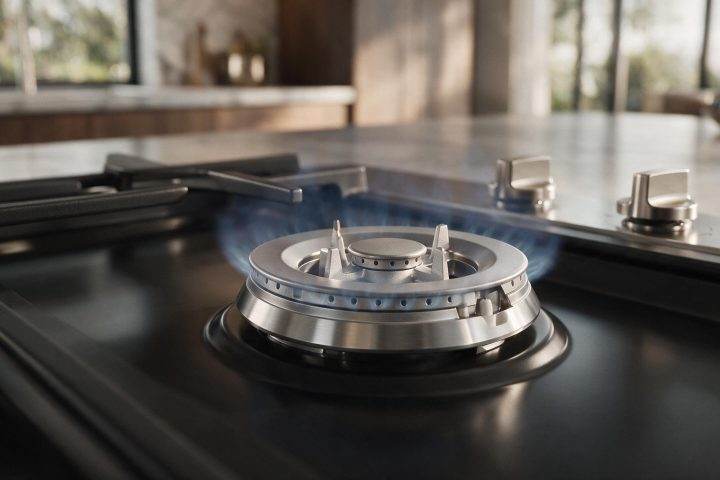
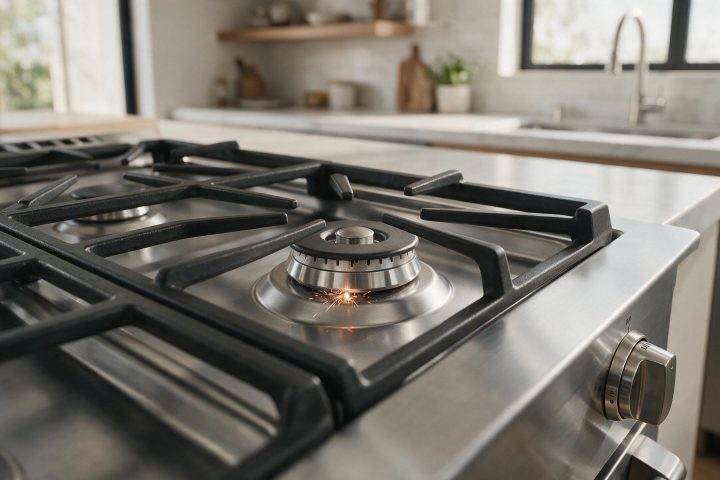
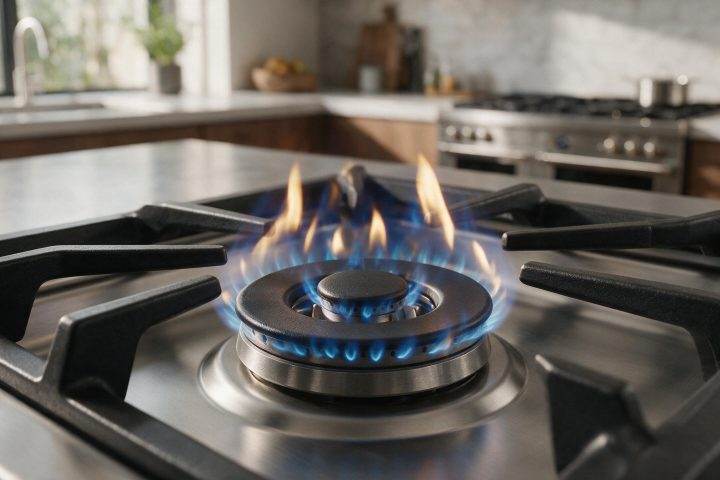
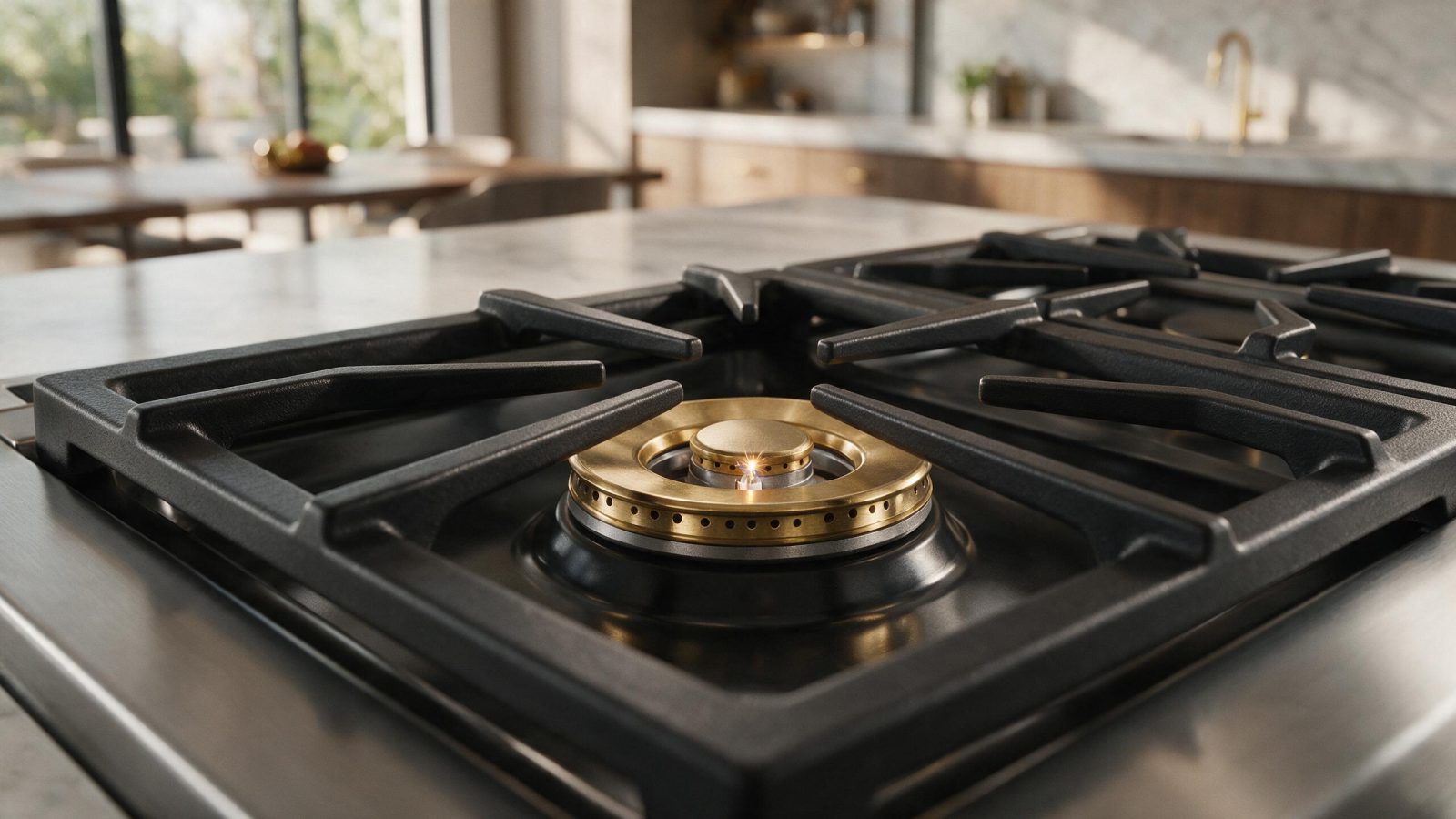
The manuals for several Monogram professional gas models list the plug not fully in the outlet, gas not connected or turned on, a blown fuse or tripped breaker, burner parts not replaced correctly, clogged slots near the electrode, and food residue on the electrode. A lightly polished flat electrode tip is the manual’s fix for residue, but only with the burner cold.
Owner checks should stay external and reversible. For this appliance category, useful checks can include:
If one of these checks clearly corrects the condition and the appliance returns to stable operation, continue to monitor it. If the symptom returns, record what changed rather than repeating resets indefinitely.
| Symptom | What it can point to | What you can safely check |
|---|---|---|
| No spark or click | Power, plug or breaker issues | Whether the unit has power |
| Clicks but no flame | Gas supply off, wet or misplaced burner parts, clogged ports | Whether the caps are dry and seated |
| Burner lights unevenly | Clogged slots or misseated caps | Whether the cap sits level |
| Burners light but oven does not | An oven gas shut-off valve that was moved | Whether the valve was disturbed during cleaning |
Do not remove cabinetry, open energized electrical panels, bypass door or temperature safety devices, work on a sealed refrigeration circuit, adjust internal gas regulation, or open microwave high-voltage sections as a DIY troubleshooting step.
A built-in appliance may also be physically difficult to move safely. Pulling it from cabinetry can damage flooring, panels, water lines, gas connections, anti-tip hardware, or the appliance itself.
A repeatable problem after the external checks usually means the appliance needs model-specific testing. At that point a technician may compare the symptom with sensor readings, control inputs/outputs, power supply, wiring/connectors, airflow or water behavior, ignition/heating performance, and the relevant mechanical system.
Other observations can help narrow the same repair path:
If the appliance shows a code, save the exact characters and appliance context. The same short code can mean different things on different product categories, and a code usually identifies a detected condition rather than proving which component failed.
Use the dedicated Monogram error-code library for exact code intent.
Monogram appliances are commonly integrated into cabinetry, islands, or custom panels. Installation details can affect ventilation, door alignment, drain routing, service access, and how safely the appliance can be removed.
When booking, mention panel-ready fronts, flush installation, floor transitions, narrow clearances, gates, elevators, or parking limitations. Do not dismantle cabinets just to make the appliance visible.
These burners use spark ignition, and turning one knob to LITE sparks all burners. Automatic reignition relights a burner if the flame goes out. Keep the white ceramic igniter dry and clean, and avoid pushing a knob in while cleaning, since it can spark. Wash burner heads by hand, never in a dishwasher.
Stop use for gas odor, cracked cooking glass, visible arcing, uncontrolled heating, or repeated breaker trips.
Safety concerns take priority over completing a checklist. If the appliance has a dangerous symptom, keep it out of normal use until the appropriate repair path is established.
A concise service request is more useful than a long guess about parts. Include:
That information helps the visit begin with the correct appliance platform.
If the problem remains after safe external checks, request model-aware diagnosis. Send the exact model, symptom, any code, and installation details instead of ordering a part from the symptom alone.
When a Monogram gas burner will not light, the manual for professional ranges and rangetops starts with simple items: the range not fully plugged…
A Monogram rangetop that keeps clicking may be reacting to moisture, a burner cap that is not seated, or debris on the electrode, so…
An uneven or yellow flame on a Monogram rangetop can be a cleaning or seating issue, such as a cap that is not level…
Share a few details and we’ll confirm an appointment. Prefer to talk? Call us and we’ll help right away.
Use the secure scheduler below to request your appointment.